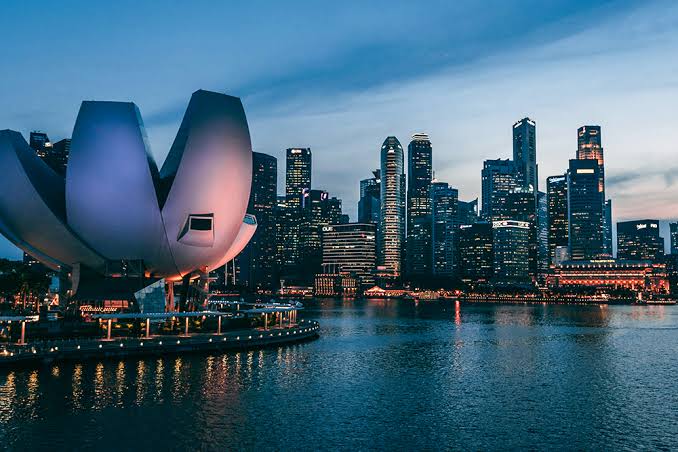
Singapore is a multi‑religious country, the roots of which can be traced to its strategic location; after its declaration as a port, a wide variety of nationalities and ethnicities from places as far as Arabia immigrated to Singapore. This historical migration laid the foundation for the rich religious and cultural diversity seen today.
A diverse array of temples, mosques, churches, and synagogues reflect the multicultural fabric of the nation.
Islamic heritage site
Buddhist monastery
Chulia Muslim mosque
Buddhist temple
Sikh Gurdwara
Largest Hindu temple in SG (1843)
Iconic mosque in Kampong Glam
Anglican cathedral
Jewish synagogue
Former Portuguese Mission
Roman Catholic cathedral
Armenian Orthodox (1836)
Many of these sites are national monuments and architectural landmarks.
How Singapore nurtures unity among its diverse communities.
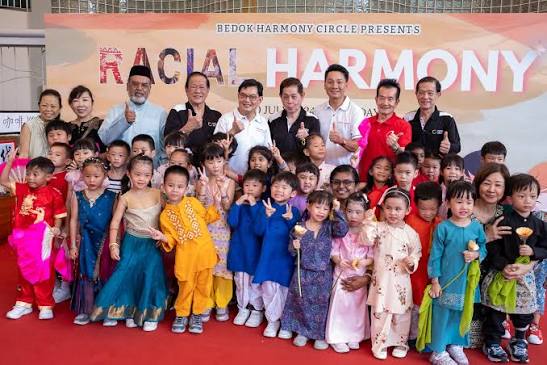
Racial harmony is an important concept in Singaporean society. Briefly shaken by the racial riots in Singapore's history during the 1960s, it emerged stronger after independence and is seen as a cornerstone of Singapore's culture today.
Religious tolerance has been strongly encouraged since the British colonised Singapore. The Sri Mariamman Temple (a south Indian Hindu temple that was declared a national heritage site in the 1980s), as well as the Masjid Jamae Mosque that served Chulia Muslims from India's Coromandel Coast, are situated along South Bridge Road, a major road that runs through Chinatown — a symbol of religious coexistence.
Among other religious landmarks is the Church of Gregory the Illuminator, built in 1836, making it one of the oldest religious buildings in Singapore. It has been preserved to the present day, and Orthodox services continue to be held in it.
Although orthodox religions are tolerated, some groups are banned, including Jehovah's Witness, which opposes Singapore's policy of national service. This reflects the delicate balance the government maintains between religious freedom and national security.
Singapore's approach to religious harmony is guided by the Maintenance of Religious Harmony Act, which ensures that religious groups do not engage in activities that may threaten public order or social cohesion.
The result is a society where people of all faiths live side‑by‑side, celebrate each other's festivals, and build a shared national identity rooted in mutual respect.
 SingOdia